
Indian weddings are a vibrant celebration of heritage, family, and tradition. Every detail, from the rituals to the décor, reflects the richness of cultural history. One of the most meaningful ways to honor this heritage is through thoughtfully designed décor that highlights rituals and symbolism while creating a visually stunning environment. When planning your big day, choosing the best Indian wedding venues in NJ gives you the foundation to weave these traditions seamlessly into your wedding design, ensuring that every moment resonates with significance and beauty.
Start With a Clear Vision of Your Traditions
Before diving into decorations, it is essential to identify which cultural traditions you want to emphasize during your wedding. Indian weddings often include multiple ceremonies such as mehndi, sangeet, haldi, and the main wedding rituals, each with its own unique customs. Couples should list out these ceremonies and determine the décor requirements for each. For instance, a North Indian wedding may prioritize a grand, floral mandap, while a South Indian wedding may require traditional banana leaf arrangements or floral garlands. Understanding these nuances helps you communicate your vision clearly to the venue and decorators, ensuring that your cultural elements are highlighted in a way that feels authentic and cohesive. Having a well-defined plan also prevents last-minute decisions that could compromise either your budget or your desired aesthetic.
Choose a Venue That Offers Flexibility
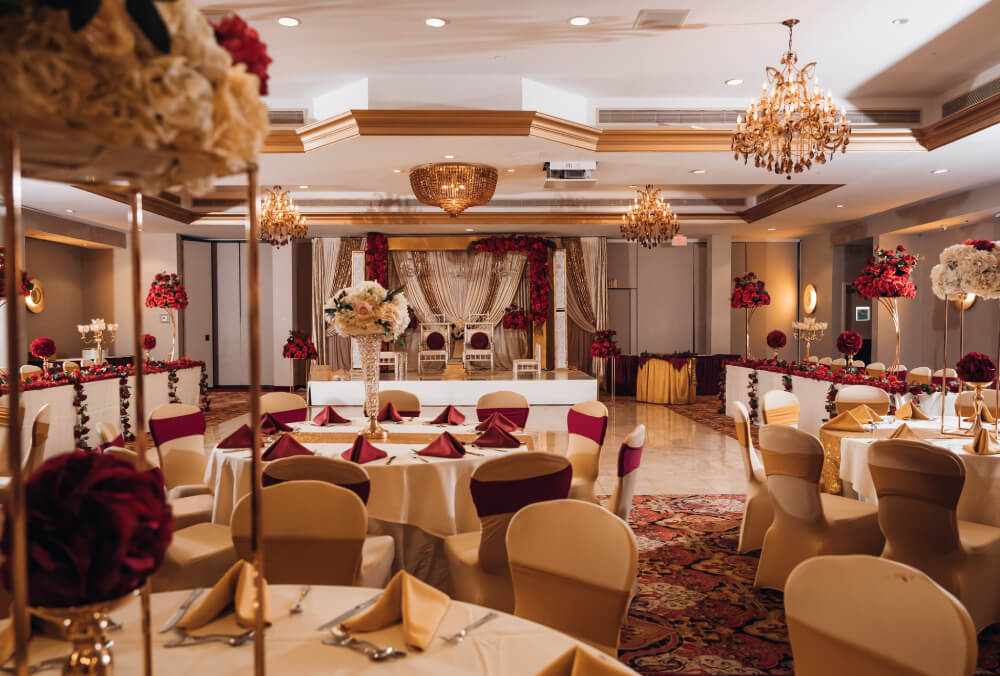
The best Indian wedding venues in NJ are those that allow for creative flexibility while accommodating various cultural rituals. Venues with open floor plans, adaptable layouts, and multiple event spaces are ideal for multi-day celebrations. They make it easier to host different ceremonies like the sangeet, haldi, and reception under one roof, minimizing logistical stress. A flexible venue can also support intricate décor setups, such as extended mandaps, ceremonial seating arrangements, or interactive spaces for rituals that require participation from multiple family members. By selecting a venue that supports these adjustments, couples can ensure that every ceremony is comfortable, visually impressive, and reflective of their cultural values.
Incorporate Traditional Elements Thoughtfully
Integrating cultural décor doesn’t mean overcrowding the space; it’s about thoughtful placement of key elements that reflect tradition. For example:
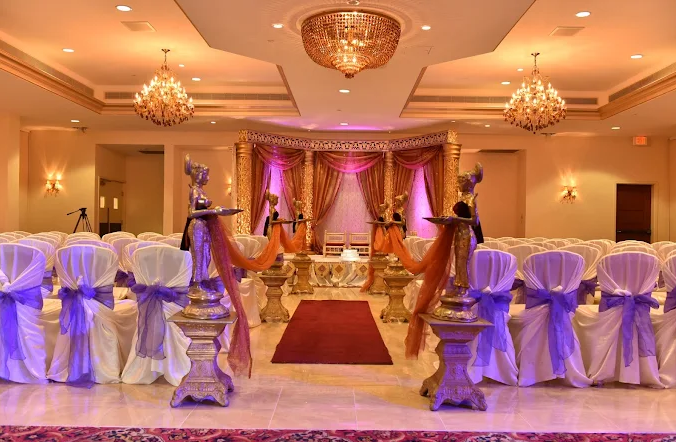
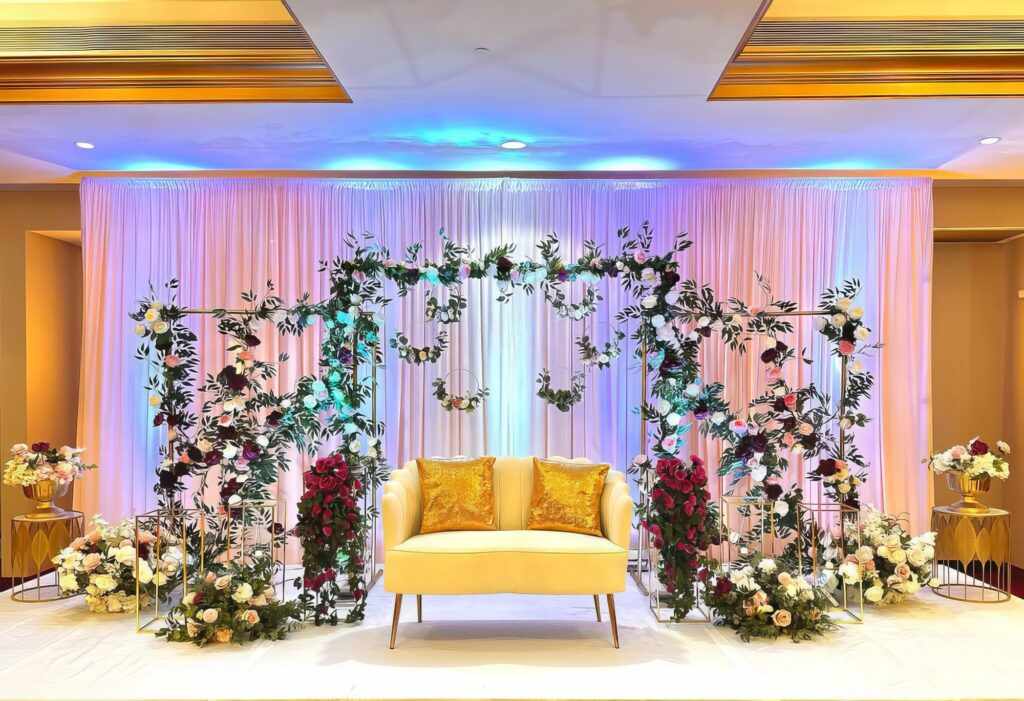
Mandap Design: The mandap serves as the focal point of most Indian weddings. Using vibrant drapes, floral arrangements, or decorative fabrics that match your wedding theme ensures the space feels both grand and culturally significant.
Color Palettes: Traditional colors, such as red, gold, green, and orange, can be incorporated into linens, stage décor, and floral arrangements to evoke cultural symbolism.
Symbolic Accents: Including culturally meaningful items such as kalash (sacred pots), diyas (oil lamps), or rangoli patterns at entrances and ceremonial areas enhances authenticity and creates photo-worthy moments.
Ritual Stations: Designated spaces for haldi, mehndi, or garland exchange ceremonies ensure smooth guest flow and a structured setup, highlighting traditions without making the venue feel cluttered.
Strategically placing these elements allows couples to honor heritage while maintaining a sophisticated, cohesive look.
Blend Modern Design With Cultural Traditions
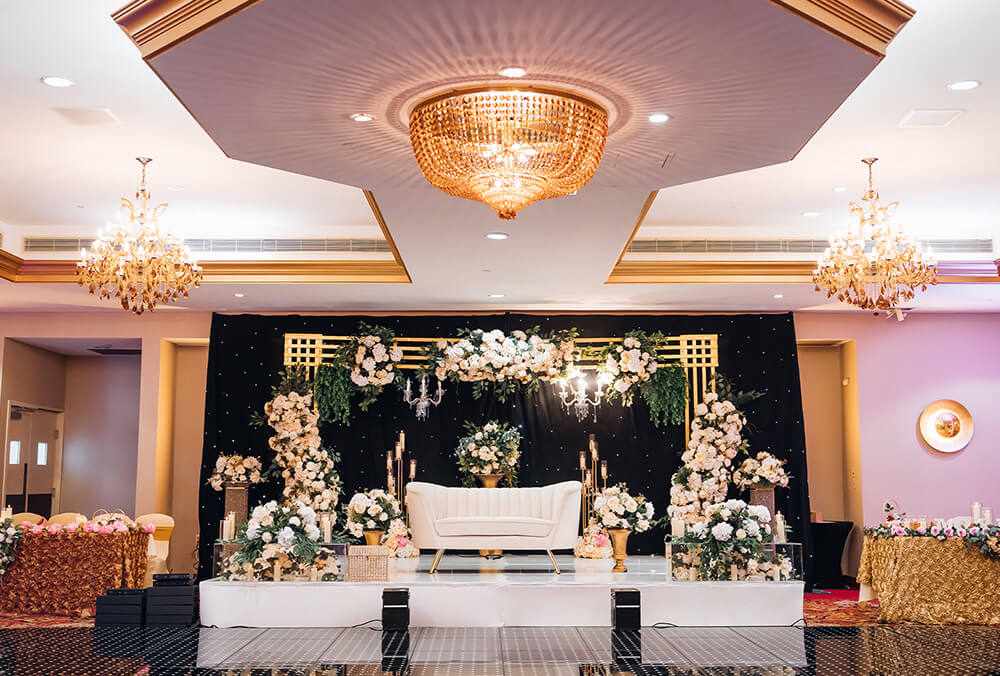
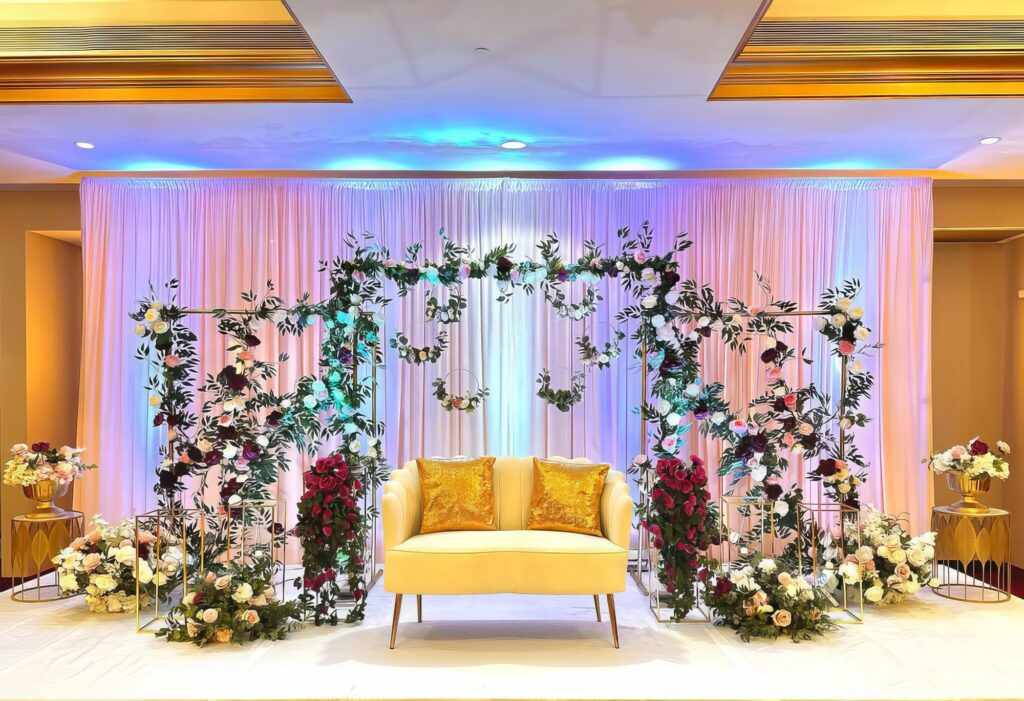
While staying true to tradition is important, blending contemporary design elements can elevate the overall aesthetic. Many couples are incorporating modern touches like LED uplighting, minimalist floral arrangements, and subtle stage backdrops to complement traditional décor. This fusion approach ensures that the venue feels fresh and stylish while still reflecting cultural roots. For example, a simple, elegant lighting setup can highlight the mandap and floral décor without overpowering the space, making the ceremony feel luxurious without excessive expenditure.
Prioritize Guest Comfort and Engagement
When integrating cultural décor, it is crucial to consider how guests will experience the space. Wide aisles, clear seating arrangements, and unobstructed sightlines ensure that everyone can fully participate in rituals. Comfortable seating and accessible ceremony areas allow guests of all ages to enjoy the celebration. Using culturally inspired décor in a way that enhances, rather than hinders, guest experience ensures that your wedding feels welcoming, thoughtful, and well-organized. After all, a meaningful celebration is one where traditions are observed without compromising the comfort of your loved ones.

Personalize the Décor With Family Traditions
Beyond general cultural practices, adding family-specific traditions creates a truly unique celebration. This could include heirloom décor items, photographs of ancestors, or ceremonial objects passed down through generations. Personalized touches make the wedding feel intimate and deeply meaningful for both families. When planning at the best Indian wedding venues in NJ, incorporating these personal elements ensures your wedding is not only culturally authentic but also emotionally resonant for everyone in attendance.
Create a Harmonious and Memorable Celebration!
Successfully integrating cultural traditions into your wedding décor requires planning, creativity, and the right venue. By combining meaningful rituals, thoughtful design, and guest-centered arrangements, couples can craft a celebration that is both authentic and visually captivating. Selecting venues that support flexibility, experienced vendors, and personalized décor allows you to create a memorable and culturally rich wedding experience. Start planning now to ensure your wedding reflects both your heritage and your unique style, creating memories that will be cherished for a lifetime.




Write a comment ...